
What belongs in an employee file, and what does not
A practical look at what a complete personnel file contains, and why leave registers and training logs belong somewhere else.
TruewardHR ·
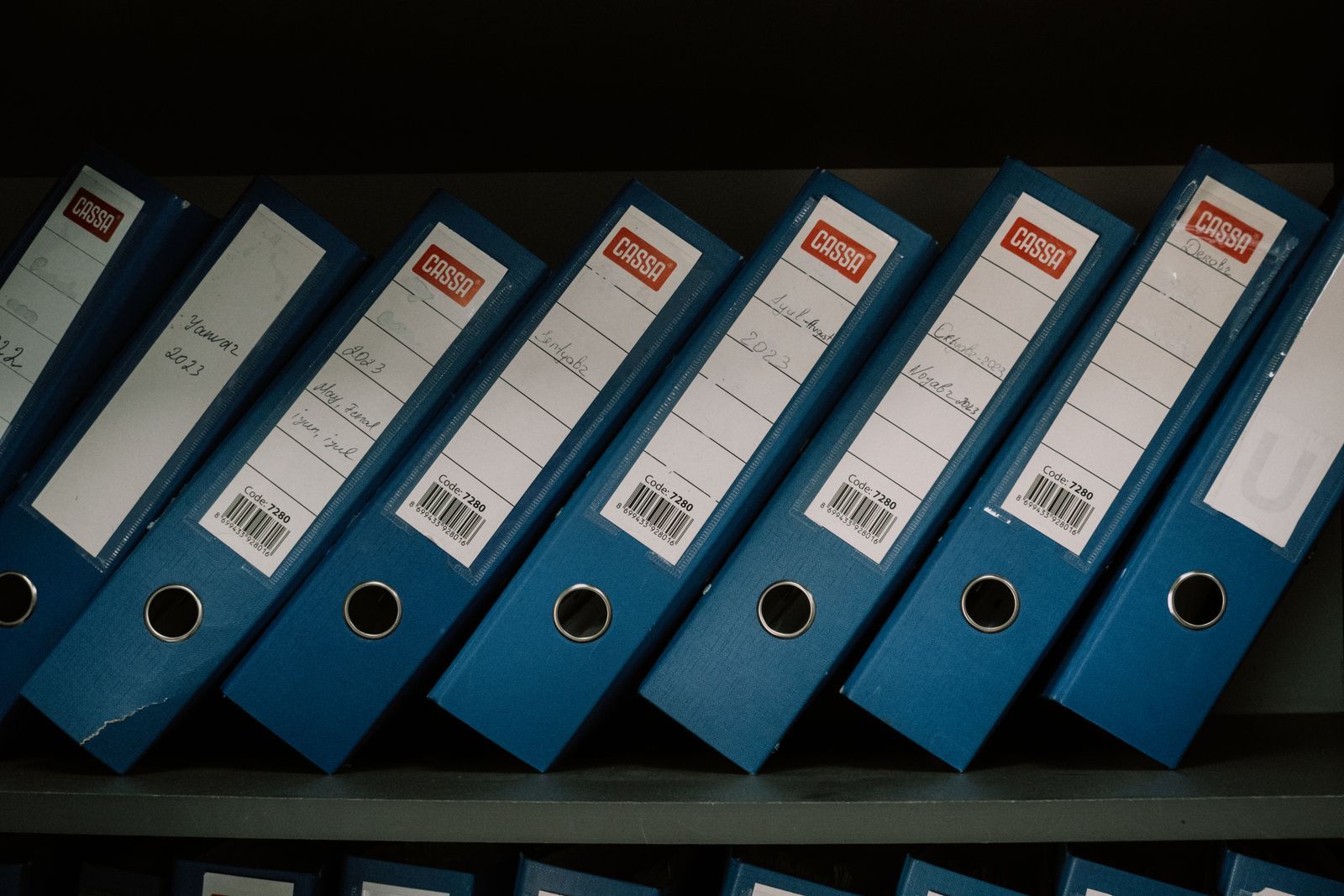
An employee file records the employment relationship, from offer to exit. Most days nobody looks at it. Then a dispute, inspection or due diligence request arrives.
On that day, the file either tells the story clearly or it does not. Rebuilding it after the fact rarely works, because documents written after the event carry little weight.
What a complete file contains
A good file follows the employee’s journey. Organise it in the same order, so anyone can find what they need in minutes.
Joining
- The signed offer letter and employment contract
- The job description for the role they were hired into
- Identity and right-to-work documents, as the law where you operate requires
- Personal details and emergency contacts, kept current
- Registration numbers needed for payroll, tax and statutory deductions
- Copies of qualifications checked during recruitment
- Signed acknowledgement of key policies, such as the code of conduct
During employment
- Probation reviews and the confirmation letter
- Appraisals and agreed objectives
- Every change to pay, role, hours or location, confirmed in writing
- Disciplinary and grievance records, with outcomes and dates
- Any improvement plan, with its review notes
- Licences or qualifications the role depends on, with renewal dates
Leaving
- The resignation or termination letter
- The calculation of final dues, and confirmation they were paid
- Exit interview notes, if you hold them
- A certificate of service, where the law requires one
What does not belong in the main file
Some information is too sensitive for the main file. Some belongs elsewhere because of how it is used.
- Medical information. Keep sick notes and health records in a separate, restricted file. Hold only what you need.
- Bank details. These belong in the payroll system, with access limited to payroll.
- Informal notes and opinions. If you would not be comfortable showing it to the employee, it should not be there.
- Other candidates’ applications. These belong in the recruitment file, with their own retention period.
- Leave registers and training logs. These need a home of their own.
Why leave registers and training logs belong somewhere else
Leave and training records are about everyone, not one person. They are used every month, and they are most useful when you can see the whole team at once.
A central leave register shows entitlements, dates and balances across the organisation. Payroll needs it, managers plan with it and an inspector may ask to see it.
Split across separate files, it cannot be checked. Balances drift, totals do not reconcile and nobody notices until there is a dispute about leave owed.
Training logs work the same way. One central log shows who is trained in what, when refreshers fall due and where the gaps are.
The personnel file can still hold a copy of anything that changes the employment itself. Approved extended leave, or a qualification the role depends on, are good examples.
Keep files safe and lawful
Employee files hold personal data. Treat them that way.
- Limit access to HR and the people who genuinely need it.
- Lock paper files away, and control who can open digital ones.
- Hold only what you need, for a clear purpose.
- Be ready for employees to ask what you hold about them. The law where you operate may give them that right.
- Set a retention period for each type of record, then dispose of files securely when it ends.
Keep every file current
A file is only as good as its last update. Build the habit into moments that already happen.
- Add each document when the event happens, not at the end of the year.
- Keep a checklist at the front of each file showing what is there and what is missing.
- Use the same order and the same file names for every employee, on paper or on screen.
- Check a few files every quarter, so gaps are found while they are still easy to close.
A five-file self-audit
Pick five employee files at random and ask:
- Is there a signed contract that reflects their current role and pay?
- Is every change since they joined confirmed in writing?
- Are probation and appraisal records there?
- Is there anything in the file that should not be?
- Could you find any document in under five minutes?
If several answers are no, the rest of your files probably look the same. That is worth knowing before someone else finds out.
Where we can help
Our HR Compliance and Employee Records service audits every file and ranks the gaps by risk. We then set up leave registers and training logs that stay current.
This article is general guidance, not legal advice. Record keeping and retention rules vary, so check the law where you operate.
Start with a free discovery call
Discovery calls are free, take 20 minutes and carry no obligation.
Book a discovery call